








Intermediate
What Are the Differences Between British and American English?

Although people from the UK and people from the USA can both understand each other, there are some differences between the two varieties of the English language.
The British took English to the Americas in the 17th century. While the variety of English spoken in the USA is very similar to that spoken in the UK, there are some differences in pronunciation, spelling, grammar and vocabulary.
Pronunciation
One general distinction between US and UK accents though is that Americans usually pronounce every ‘r’, while the British usually only pronounce the ‘r’ when it’s the first letter of a word.
The alphabet is the same in both American and British English, apart from the final letter, which is pronounced Zed in British English and Zee in American English.
Spelling
When the UK dictionary was made, the aim was to collect all known English words. The American dictionary was made by a lexicographer called Noah Webster. He wanted American spelling to be simpler and different from UK spelling. One reason was that he wanted to show America’s independence from Britain.
In British English, there is an extra u in some British words, such as colour and humour. American English tends to end words with -ize rather than the British -ise. Some words end in -er in British English, for example theatre and centre, but in American English they end with -re. So, the spelling is theater and center.
Grammar
The present perfect is used more in British English than American English. Americans tend to use the past simple when talking about something that happened recently, while British people might use the present perfect.
American English: Did you eat?
British English: Have you eaten?
Also, Americans might used the words gotten as the past participle of get. British people would use got.
In British English, a collective noun can be either singular or plural, but is often plural. However, in the US, collective nouns are always singular.
American English: My family is from Spain.
British English: My family are from Spain.
There are some differences with the use of prepositions too.
In British English, at is used with many time expressions. In American English on is always used when talking about the weekend.
American English: I’ll see you on the weekend.
British English: I’ll see you at the weekend.
In British English, at is often used when talking about universities or other institutions. In American English, on is often used.
American English: I studied history in university.
British English: I studied history at university.
Vocabulary
There are some words which are different in British English and American English. A lot of these are words are borrowed from different places. For example, the British English word coriander comes from French, while the American equivalent cilantro comes from Spanish. Here’s a list of words that are different:
| British | American |
| aubergine | eggplant |
| autumn | fall |
| biscuit | cookie |
| bonnet | hood (of a car) |
| boot | trunk (of a car) |
| car park | parking lot |
| cinema | movie theater |
| casualty | emergency room |
| chemist | pharmacy |
| cot | crib |
| courgette | zucchini |
| chips | french fries |
| crisps | chips |
| curtains | drapes |
| dustbin | garbage can |
| film | movie |
| flat | apartment |
| football | soccer |
| full stop | period |
| holiday | vacation |
| jumper | sweater |
| lift | elevator |
| British | American |
| lorry | truck |
| mobile phone | cell phone |
| motorway | highway |
| nappy | diapers |
| off-licence | liquor store |
| pants | underpants |
| pavement | sidewalk |
| petrol | gas |
| plaster | band aid |
| post | |
| postcode | zip code |
| pushchair | stroller |
| queue | line |
| shop | store |
| shopping trolley | shopping cart |
| sweets | candy |
| trainers | sneakers |
| trousers | pants |
| underground | subway |
| vest | undershirt |
| waistcoat | vest |
| wardrobe | closet |
WORDS & EXPRESSIONS
variety, noun [C], a type of thing, that is different from others in the same group
pronunciation, noun [U], the way in which a language or word is said
spelling, noun [C], the way in which a word is formed using letters
grammar, noun [U], the rules by which words change their forms or are used in sentences
vocabulary, noun [C], all the words in a particular language
distinction, noun [C], a clear difference or separation between two similar things
lexicographer, noun [C], an author or editor of a dictionary
collective noun, noun [C], a noun that is the name of people or things considered as a unit
singular, adjective, a form of a word used when writing or speaking about one person or thing
plural, adjective, a form of a word used when writing or speaking about more than one person or thing
preposition, noun [C], a word before a noun or pronoun to place, time or direction
expression, noun [C], a word or group of words with a particular meaning
equivalent, noun [C], something that has the same value, purpose, job etc as something else
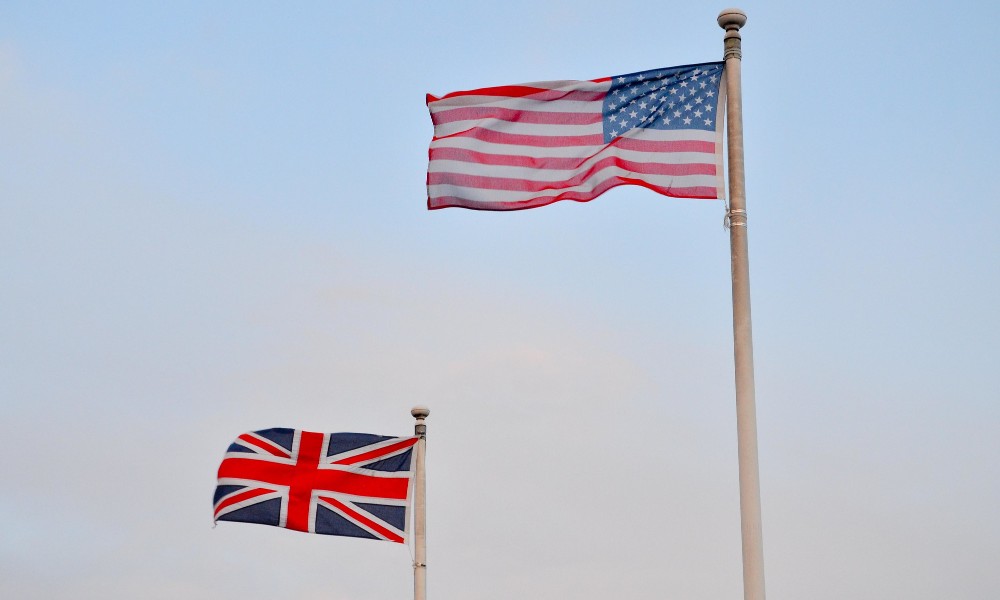
Picture: bobgjohnson via Flickr, CC-BY-SA 2.0